MED0000954670 - This website contains imagery which is only suitable for audiences 18+.

Australia has one of the highest rates of skin cancer in the world, making regular skin checks an important part of maintaining long-term health. Dr Scott Horsburgh provides comprehensive skin assessments to help detect concerns early and guide appropriate medical care.

Types of Skin Cancer
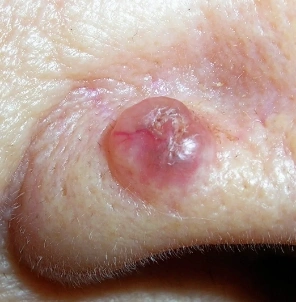
Basal Cell Carcinoma
Usually appearing as permanent bumps or sores, these tend to grow slowly but cause local damage.
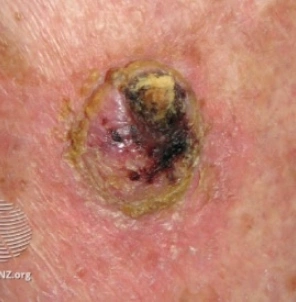
Squamous Cell Carcinoma
Appear as scaly or crusty patches that can spread if left untreated
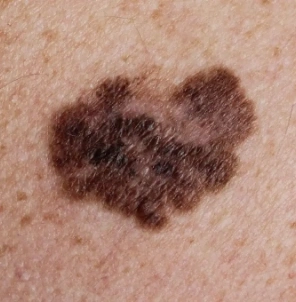
Melanoma
The most serious form of skin cancer that can quickly spread to other parts of the body, requiring prompt treatment
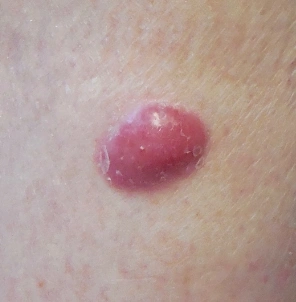
Merkel Cell
Often appears as a bump on the head or neck, that can grow fast and quickly spread to other parts of the body without treatment


Meet with
MED0000954670 | Cosmetic Doctor, MBBS GradCertSpMed BN FRACGP AMA (M)
Dr. Scott Horsburgh is a Brisbane-based cosmetic doctor with over 20 years of experience in aesthetic medicine and general practice. He holds a medical degree from the University of Queensland and has extensive experience in General Practice and is a Fellow of the Royal Australian College of General Practice, with additional qualifications in skin cancer surgery and Sports Medicine.
Your role in
Alongside checks with a qualified practitioner, regular self-examinations to check for skin cancer are crucial. A good approach is to check your skin every few months in front of a mirror, or ask a family member to help inspect areas that are hard to see. Taking photos to track changes over time can also be very useful.
Be vigilant for:
If you notice any of these signs, schedule an appointment promptly.
What to Expect
Our full-body skin checks involve a thorough examination of your skin, using advanced dermoscopy techniques. We assess each area meticulously to ensure early detection of any abnormalities.
If any concerning spots are found, we may perform a biopsy for further analysis. We offer both surgical and non-surgical options to address skin cancers effectively.
Australia, and particularly Queensland, experiences some of the harshest UV conditions in the world. Even on cloudy days, UV rays can penetrate and cause damage.
Regular checks not only detect early signs of cancer, but also help establish a baseline for what’s normal on your skin, making future changes more detectable.
Dr Horsburgh provides regular checks with a focus on a through assessment, accuracy in diagnosis and a clear treatment pathway if anything requires attention.
