 0455 859 548

What Is CO2 Laser Skin Resurfacing?
This method uses laser technology to target selected areas of the skin. It works by removing layers of skin in a controlled way, allowing new surface layers to form. The approach may also support changes in skin texture and tone over time.
A CO2 laser produces a beam of light at a wavelength that is strongly absorbed by water in the skin. This allows it to remove very thin layers of tissue in a controlled way. That sets it apart from non-ablative lasers and light-based treatments such as IPL, which heat the skin without removing its surface.
CO2 laser can be used in two main ways. Fully ablative treatment covers the whole treated area, while fractional treatment works on a grid of tiny columns and leaves the skin in between untouched, which generally means a shorter recovery. As the skin heals over the following months, it may also lay down new collagen.
Because the treatment creates a controlled wound, recovery time and aftercare need to be planned. Dr Scott assesses your skin, medical history and goals at a consultation before recommending whether CO2 laser, or a different option, may suit you.
Book a Consultation
If you are considering CO2 laser skin resurfacing, you can book a consultation with Dr Scott Horsburgh. This appointment gives you the opportunity to discuss your concerns, the available options, and what may be involved in your treatment.

Treatment Approach
The way CO2 laser skin resurfacing is carried out will depend on the areas assessed during your consultation. Dr Scott Horsburgh will choose the settings and method based on your skin, goals, and overall suitability. Details of the procedure will be explained before any treatment is done.
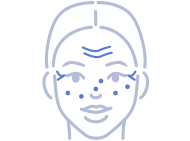
Concerns That May Be Addressed
CO2 laser skin resurfacing may be considered for:
- Fine lines in certain areas
- Changes in skin tone or texture
- Sun-related skin changes
- Mild scarring
- Areas where skin firmness has changed over time
Whether these concerns are suitable for treatment will be discussed during your consultation.