 0455 859 548
What Is a Non-Surgical Breast Lift?
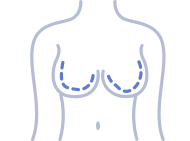
A non-surgical breast lift refers to treatments that aim to improve the quality and firmness of the skin over the breast and upper chest without surgery. Depending on the assessment, this may involve energy-based skin tightening, such as radiofrequency, or other minimally invasive techniques that support the skin’s own collagen. By tightening the skin and supporting tissue, these treatments may provide a small amount of lift. The degree of lift is modest compared with a traditional surgical breast lift (mastopexy), and breast size is not changed. Suitability is determined after an assessment and consultation.
Book a Consultation
If you are considering a non-surgical breast lift, you can book a consultation with Dr Scott Horsburgh. This appointment provides the opportunity to discuss your concerns, the available treatment options, including whether a surgical opinion may be more appropriate, and any important considerations.

Treatment Approach
Dr Scott Horsburgh will take a medical history and conduct an assessment of the skin, breast shape and position to determine whether a non-surgical approach may be suitable for you. If appropriate, a treatment plan will be discussed, which may involve a course of sessions spaced several weeks apart, depending on individual factors such as your skin, goals and overall health. Any changes, if they occur, tend to develop gradually over the months following treatment and vary between individuals. Options are also provided to help manage any potential discomfort during treatment.
Concerns That May Be Addressed
A non-surgical breast lift may be considered for:
- Loss of skin firmness or elasticity over the breast
- Crepey or thinning skin on the upper chest and décolletage
- Changes in skin quality after pregnancy, breastfeeding or weight change
- Mild skin laxity or mild breast descent where a small degree of lift is desired without surgery
Where a greater degree of lift is desired, a surgical opinion may be discussed. The suitability of addressing these concerns will be determined during your consultation.